
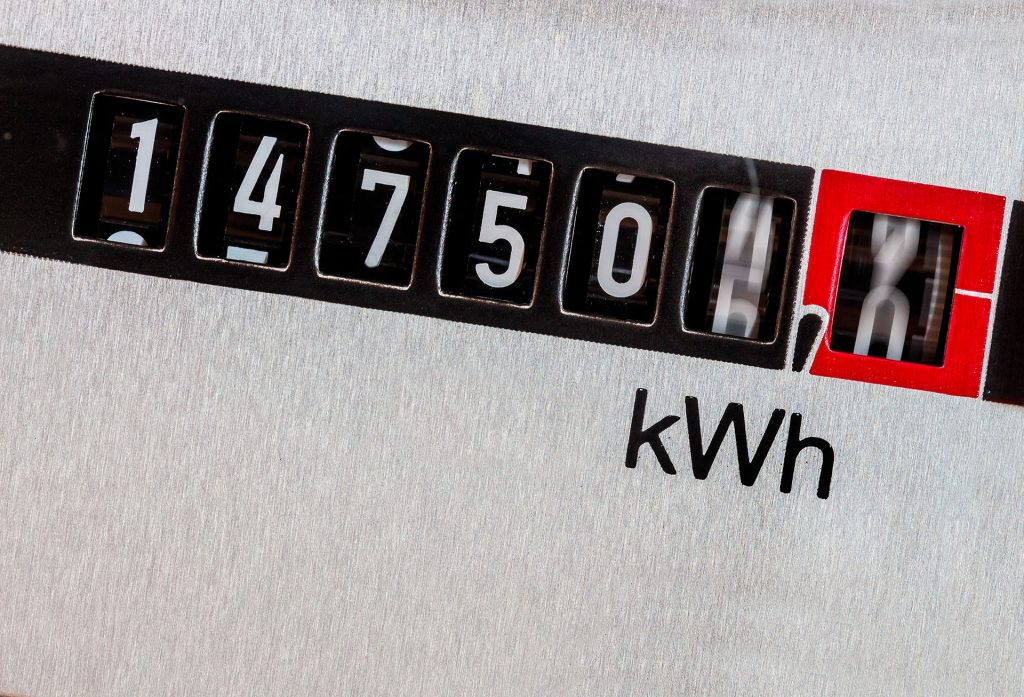
As the landscape of property investing continues to evolve, HMO (House in Multiple Occupation) landlords are looking for smarter, more efficient ways to manage utilities. One hot topic is whether HMOs should be fully electric, with individual meters for each tenant to pay for their own usage.
So, is it a smart move—or more hassle than it’s worth? Let’s break it down.
The Case for Going All-Electric
1. Simplified Setup & Maintenance
Switching to electric-only systems—like electric heating, hot water, and cooking—can simplify the property infrastructure. No gas means no gas safety certificates, no boiler servicing, and fewer compliance headaches.
2. Better Compatibility with Renewable Energy
Electric systems pair well with solar panels, battery storage, and other sustainable tech, helping you lower your carbon footprint and attract eco-conscious tenants.
3. Reduced Risk
Removing gas eliminates risks like gas leaks or carbon monoxide exposure, creating a safer environment for tenants and reducing liability for landlords.
The Benefit of Metering Each Room
1. Fair Usage, Fair Payment
One of the biggest frustrations in shared homes is uneven utility use. With individual meters—either sub-meters or smart plugs—tenants pay only for what they use, which promotes personal responsibility and cuts down on overuse.
2. Lower Costs for the Landlord
Utility bills are often a major expense for HMO landlords. By passing usage costs directly to tenants, you can control overheads and keep rents competitive.
3. Transparency & Accountability
Metering removes disputes about energy usage. Each tenant has clear visibility of their consumption, encouraging mindful energy habits.
Challenges to Consider
1. Upfront Costs
Installing electric heating systems and individual meters can be expensive. However, many landlords view it as a long-term investment that pays for itself over time.
2. Tenant Expectations
Some tenants prefer the simplicity of “all bills included.” Charging separately for energy might be a harder sell unless rents are adjusted accordingly.
3. Practical Limitations
Not all properties are suited to full electrification. Older buildings may require rewiring or significant upgrades to meet demand.
A Balanced Approach
There’s no one-size-fits-all answer. Some landlords opt for electric-only properties with communal meters and include bills in the rent. Others fully meter and charge tenants individually. The best approach depends on your target tenant profile, property layout, and long-term strategy.
At Cleary Property Solutions, we believe in designing HMO setups that are fair, futureproof, and financially sustainable—for both investors and tenants. Whether you’re going all-in on electric or looking for a hybrid solution, it’s all about smart planning.