
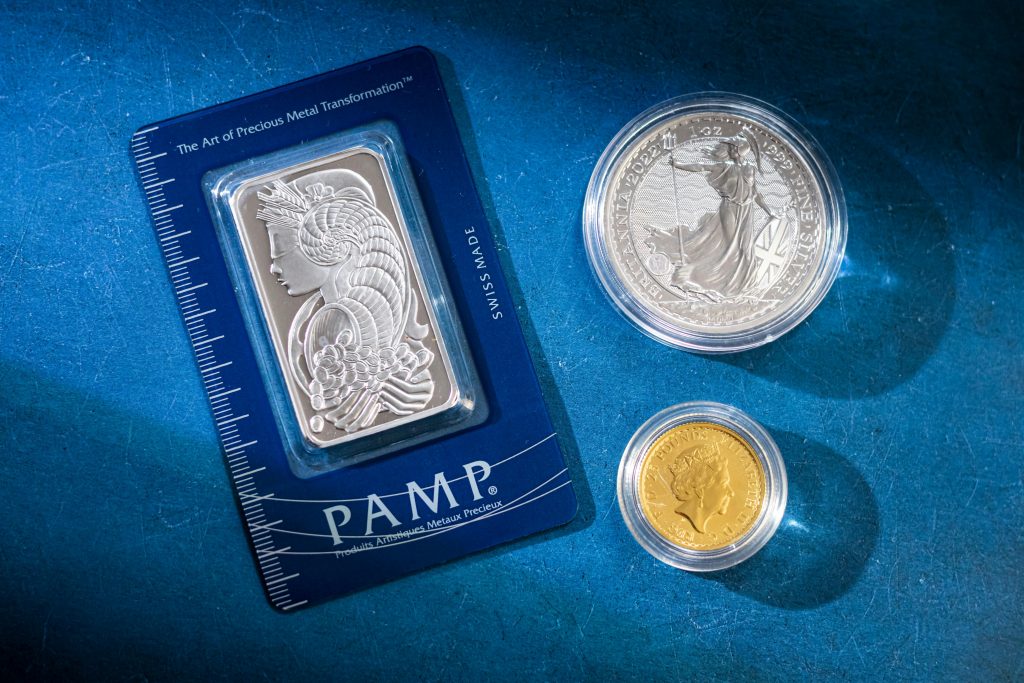
When gold and silver prices rise, it’s rarely random. These metals don’t surge because investors suddenly want more jewellery – they rise because something deeper is happening in the global economy.
Precious metals have long been viewed as a barometer of fear, inflation, and uncertainty. When confidence in currencies, governments, or financial systems weakens, money flows into assets that are perceived as stable stores of value.
Understanding what this movement signals – and how it connects to property – is crucial for investors looking to protect and grow their wealth.
Gold and silver are often called “safe-haven assets.” In times of economic uncertainty, investors use them to preserve purchasing power. When inflation rises, when interest rates feel unstable, or when geopolitical tensions increase, precious metals tend to climb.
But while gold and silver are excellent at preserving value, they do one thing very poorly: they don’t generate income.
Property operates differently.
Rising precious metal prices often indicate inflationary pressure. Inflation erodes the value of cash but tends to push rents upward over time. As the cost of living rises, so does the cost of housing. This makes rental property one of the few assets that can naturally adjust alongside inflation.
This is why experienced investors don’t see gold and property as competing investments. They see them as signals pointing in the same direction.
When gold prices rise, it often means investors are seeking protection. Property offers that protection – but with an added layer of monthly income.
Unlike precious metals, rental property produces cash flow. It doesn’t just sit there preserving value; it actively works. In particular, shared accommodation such as HMOs benefits from increased demand during uncertain times, as affordability pressures push more people into renting.
Silver plays a similar role to gold but often reflects industrial and economic demand more directly. Rising silver prices can indicate expectations of economic expansion or supply constraints – both of which tend to feed into construction costs, material prices, and housing shortages.
Housing shortages matter because limited supply strengthens rental demand. When building slows or costs rise, fewer new homes come to market. That imbalance supports rents and occupancy levels in existing stock.
This is one of the reasons UK rental property remains resilient even when broader markets wobble.
Another key distinction lies in behaviour. Gold and silver are typically bought defensively. Property, when structured correctly, is bought strategically.
Hands-off property investing allows capital to be placed into professionally managed assets that respond positively to the same conditions driving precious metal prices upward – inflation, uncertainty, and currency pressure – but with far greater long-term upside.
While gold protects against loss, property offers participation in growth.
It’s also worth noting that precious metal rallies often occur when confidence in traditional financial instruments weakens. When savings lose value and markets feel unpredictable, tangible assets become more attractive.
Property fits squarely into that category. It is visible, understandable, and driven by real-world demand. People may stop buying shares. They don’t stop needing homes.
For time-poor investors, this distinction matters. You don’t need to watch metal prices daily or time market entries. A well-located, well-managed rental property continues to perform quietly in the background regardless of commodity cycles.
Gold and silver prices rising are not a call to panic. They are a reminder to think defensively and structurally about where wealth is held.
For investors who want protection, income, and long-term growth – without constant involvement – property remains one of the most effective places to be.
Gold signals caution. Property offers confidence.